
Language

Product Overview
Aerospace Engine High-Energy Igniter
This set consists of the TYQ-1-16-2 high-energy igniter, the TYL-54 ignition cable, and the TYZ-173 semiconductor spark plug
Where is it used The system is installed on engines for aerospace applications, including both engine start-up and in-flight re-ignition
Let’s look at the core specifications
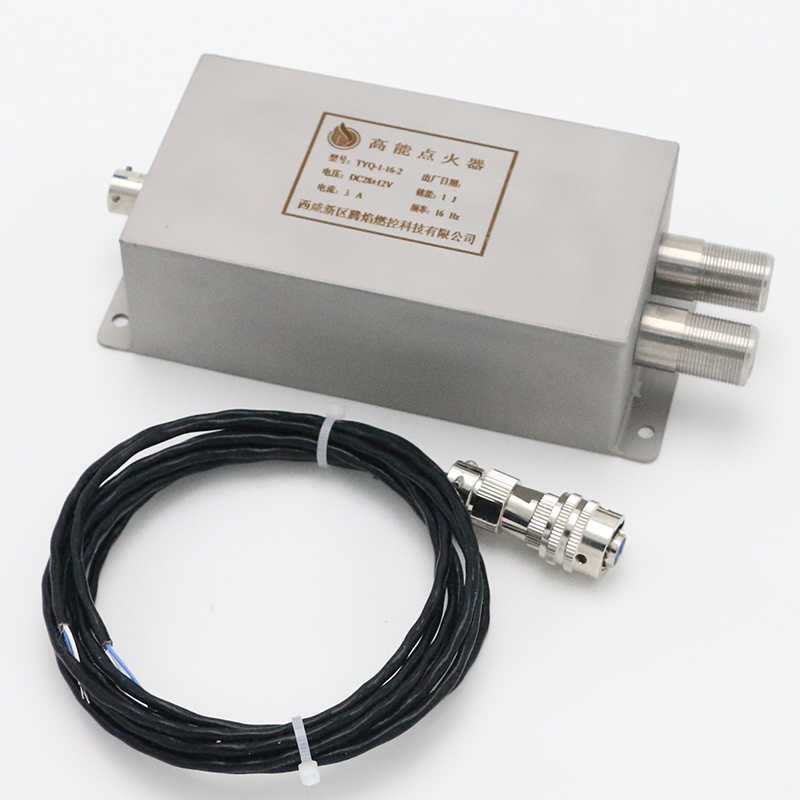 |
High-Energy Igniter TYQ-1-16-2 Power: Works on DC voltage between 16V and 36V Current Draw: No more than 5A at 24V Output Energy: Stores up to 1J, which is considered high for its class Output Voltage: Delivers 2500V when fired Spark Rate: Designed for 16 sparks per second Channels: Twin-channel output arrangement What stands out Voltage is boosted at a high frequency, every part uses solid-state components, the overall efficiency is quite high, and the internal construction is meant to last Temperature Range: -55℃ to 85℃ Reference Standard: Q/TYQ 01-2021 |
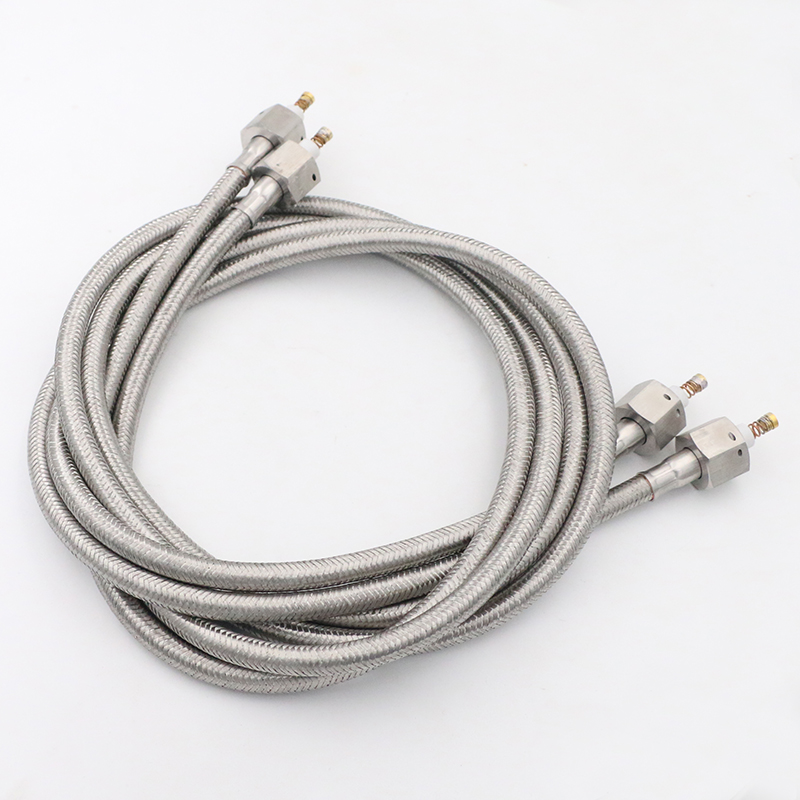 |
Ignition Cable TYL-54 What does it do Passes high-voltage pulses from the igniter Main Materials: Silicon rubber insulation, a conductor made from tinned copper, copper shielding, and a stainless steel mesh Design Highlights: Single conductor with multiple fine strands, the whole thing is covered in silicon rubber for extra durability, shielded with copper and equipped with a stainless steel mesh and bendable stainless tube Works in temperature extremes from -60℃ to 200℃ Connection: Uses a spring-type contact and a nut to keep the connecting and locking parts doing their own jobs |
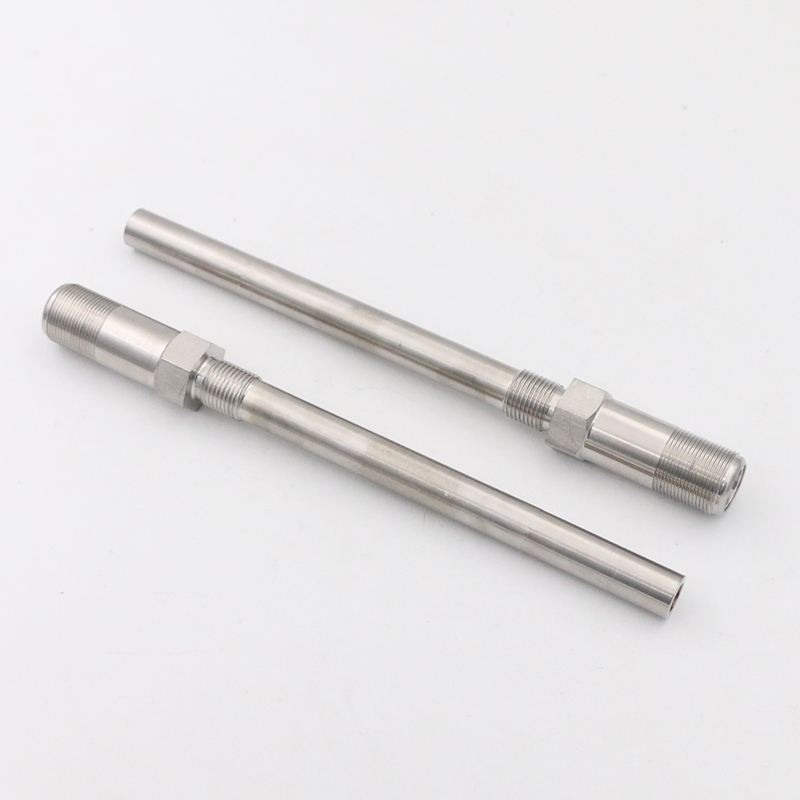 |
Semiconductor Spark Plug TYZ-173 How it works: Releases a burst of high-voltage direct current right at the tip, which triggers a powerful spark across a ceramic surface with a semiconductor glaze. Environmental conditions don’t have much effect on performance here What’s different The design integrates the ignition cable directly with the spark plug, and there’s a safety fuse system at the connection to avoid parts coming loose Materials Used: 95% alumina-based ceramic, high-temperature alloy, glass-based adhesive, along with a specialized semiconductor ceramic Physical Design: Whole structure is stainless steel, everything’s sealed using glass adhesive that handles high temperatures Handles temperatures from -60℃ all the way up to 800℃ without issues, and can even deal with short bursts up to 1300℃ Discharge Voltage is right in the 700 to 1000V range Mounts using a threaded connection for secure installation Endures pressure up to 16MPa |
Some content is reposted from the internet. Copyright belongs to the original authors. If infringement occurs, please contact us for removal. Content involving franchising or investment carries risks - exercise caution when making decisions.
 HOME
HOME