
Language

High-Energy Igniter for Aero Engines
Overview: The high-energy igniter TYQ-2-6, paired with ignition cable TYL-52 and semiconductor ignition plug TYZ-171, offers a compatible fit for engines like the PBS TJ100P.
Use Scenarios: Built to work seamlessly with engine systems, this set is often selected for both the initial ignition at start-up and repeated reignition demands during flight operations in jet engines. Its reliability in varied conditions is notable
Key Parameters:
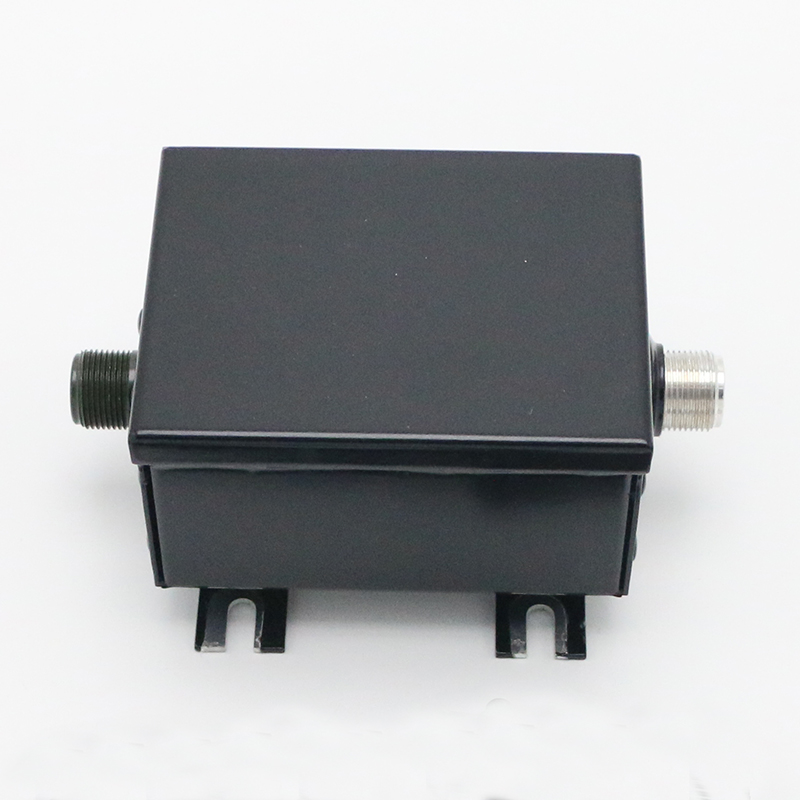 |
TYQ-2-6 Igniter Input Voltage Range: DC16V to DC36V Draws less than 2A (when powered at DC24V) Stores 2J for high-energy pulses Bumps output up to 2500V Pulses at a steady 6 times each second Features just one output channel, simple and focused Circuit design is full solid-state and crafted for high efficiency, aiming for longer usable life Works in air temperatures from -55°C right up to 85°C Meets quality control standard Q/TYQ 01-2021 |
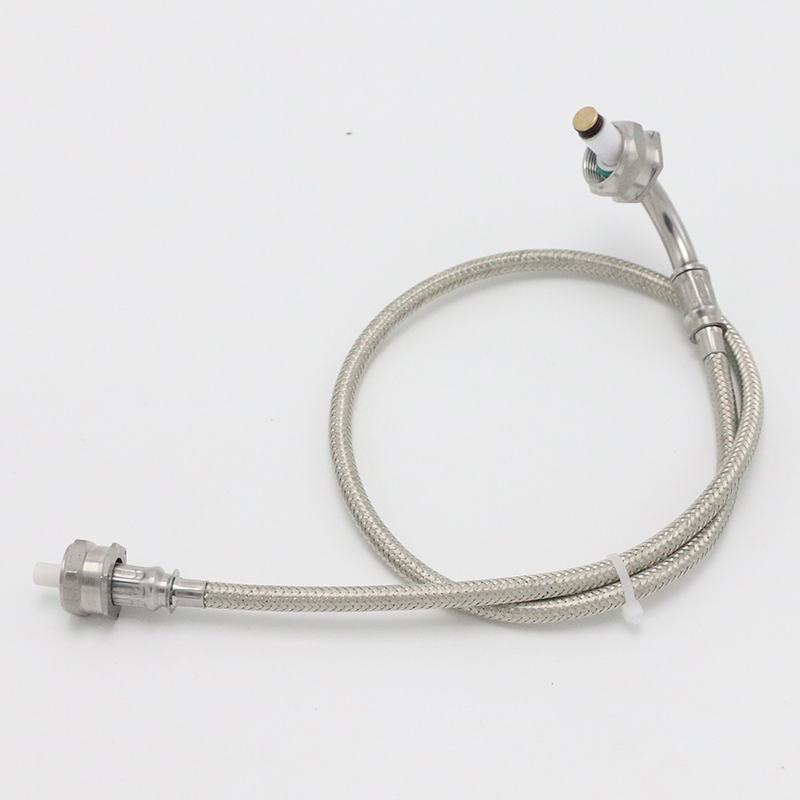 |
TYL-52 Ignition Cable Built to transfer high-voltage pulses quickly and reliably Uses a core of silicone rubber, tinned copper, and copper shielding, topped off with an outer stainless-steel mesh Simple single-core structure with flexible, multi-stranded cable, the shielding adds some extra durability Features a spring-loaded contact and a compression nut, helping keep power supply separate from mechanical fastening — just enough subtlety in the design Performs in a broad temperature range, from seriously cold -60°C up to 200°C and keeps itself in good working shape |
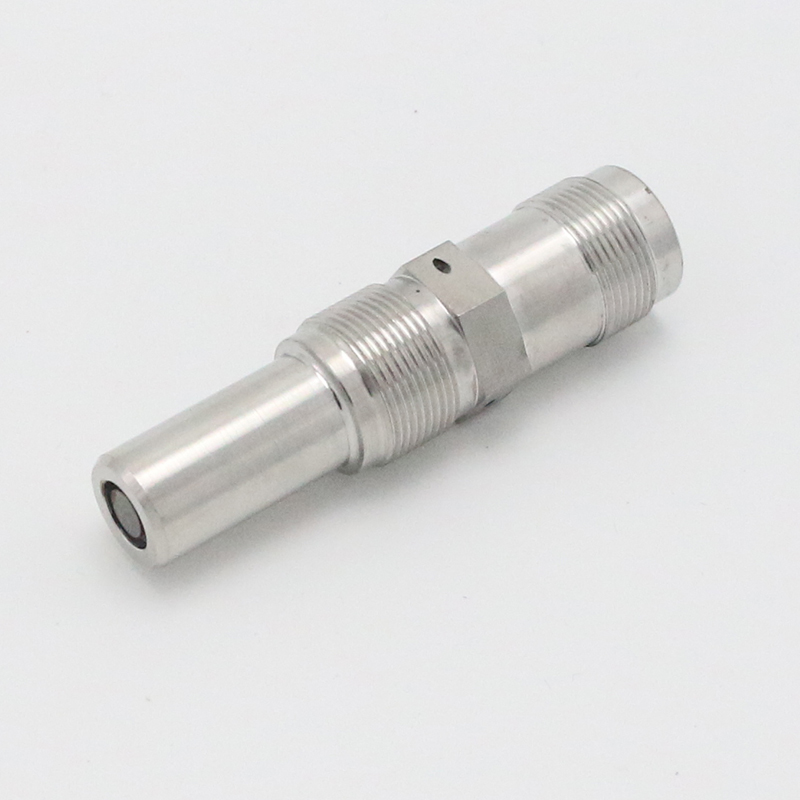 |
TYZ-171 Semiconductor Ignition Plug This plug receives the high-voltage DC pulse and delivers a robust spark at its ceramic tip, not much seems to faze it—environmental changes just aren’t an issue Wired directly into the ignition cable, so there’s little chance connections are going anywhere A small safety fuse ties off the connector, making accidental loosening very unlikely The materials are chosen for toughness: mostly high-purity alumina ceramic, a bit of specialty alloy, glass adhesive, and semiconductor ceramic The design integrates a stainless-steel structure and seals with high-temp glass for long-term performance Built to keep running between -60°C and 800°C in most cases; short sprints up to 1300°C don’t really trouble it Discharge voltage runs from 700 to 1000V Threaded to screw in for secure mounting Handles gas pressure of up to 5MPa, which says a lot about its durability |
Some content is reposted from the internet. Copyright belongs to the original authors. If infringement occurs, please contact us for removal. Content involving franchising or investment carries risks - exercise caution when making decisions.
 HOME
HOME