
Language

When it comes to how a flame detector works, the technology behind it is pretty interesting. Many of these devices rely on solid materials like silicon carbide or aluminium nitride to sense changes in their environment. Some designs use gas-filled tubes such as Geiger-Müller tubes. What they’re really tuning in to is the ultraviolet radiation that a flame gives off, usually in the 0.185 to 0.260 micrometre wavelength range
Certain sensors made from aluminium sulphide are particularly good at picking up on infrared radiation in the 2.5 to 3 micrometre range—interesting, right Some other materials, like lead selenide or aluminium tantalate, respond best to the unique infrared signatures found in the 4.4 to 4.6 micrometre range. Choosing the right one really depends on the fuel’s characteristics since different flames have slightly different emission patterns. Among the available options, those triple infrared detectors you sometimes see in equipment lists—they’re surprisingly widespread
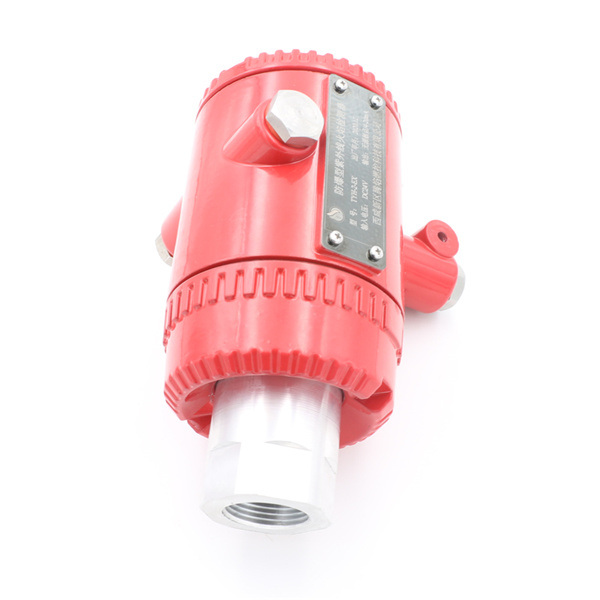
Extra thoughts on putting flame detectors in place
Some best practices come up time and time again whenever people discuss the physical setup for these systems
For starters, the detector should be positioned within the area it’s monitoring, with the height about twice that of whatever asset it’s meant to look after. Nothing should get in between the sensor and the space it’s watching over—not even something see-through like glass. And you should be able to walk up and handle the device easily for regular checks
Another tip: angle the sensor a bit downward, say 30 to 45 degrees. This way it’s got a better view, both below and ahead, and there’s less chance of dirt building up on the lens. You really want the detector to have a clear line of sight to anywhere a flame could show up in its designated zone, just to cut down on surprises or weird light reflections
If blind spots worry you, consider adding a second detector in the area diagonally across from the first. This not only covers hidden areas but also helps out if one unit ever stops working
Some content is reposted from the internet. Copyright belongs to the original authors. If infringement occurs, please contact us for removal. Content involving franchising or investment carries risks - exercise caution when making decisions.
 HOME
HOME