
Language

The flame detector plays a key role within any monitoring setup designed for a boiler’s combustion chamber. Its main task is to keep a close watch on the combustion process, using the unique traits of the flame as its reference. If things drift away from what’s considered normal, or if the flame suddenly goes out, this detector quickly sends out a signal. At that point, fuel delivery to the boiler will be cut, serving as a protective measure in case of flameout. The device typically includes two main segments: a probe and a unit that processes its signals
The journey of flame detectors stretches back several decades. Sometime in the last century, early models were first seen, followed not long after by ultraviolet-sensitive designs developed overseas. Moving forward, detection systems that pick up on infrared and visible light produced by burning flames began to emerge. As the years went by, engineers introduced video and image-based monitors for combustion conditions. Gradually, there were even combined probes with both infrared and ultraviolet detection features. Now, current-generation flame detectors have become impressively sophisticated in sorting out complex situations, and their accuracy at recognizing subtle changes keeps climbing
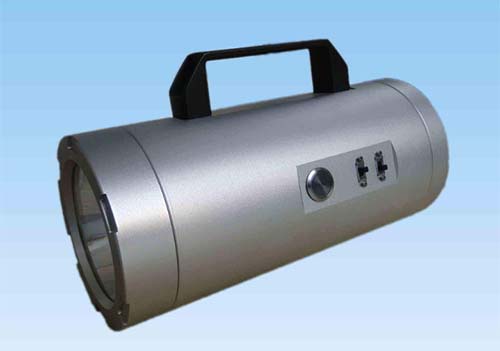
Flame detection equipment is involved at every stage, from firing up the boiler all the way to operating at high loads. It’s used to check if the flame has been formed or gone out, either throughout the whole chamber or at specific burners. If it detects a lack of flame, this equipment quickly triggers a contact to sound an alarm. Thanks to safety interlocks built into the control systems, the system responds by taking actions like shutting down fuel feeders and air fans. Such prompt intervention helps guard against the build-up of unburned fuel inside the chamber, cutting the risk of dangerous ignition events. That’s why the reliability and precision of this kind of detection really matter for maintaining safety and stable boiler operations
Detection Principle
Whenever oil, coal, or gas burns, chemical energy is released in the form of electromagnetic waves. The flames themselves produce a near-continuous range of light, with different materials created by combustion—like hot carbon particles, fine coal dust, and gases—each emitting their own set of wavelengths. Depending on what kind of fuel is used, different mixtures form, and each produces a unique light profile. Some substances shine bright in the blue or ultraviolet range, while others glow red, or throw off energy as infrared. For instance, oil flames are rich in infrared, show some visible light, but only a dash of ultraviolet. The light from pulverised coal features some ultraviolet, mostly visible tones, and a bit of infrared. Gases emit plenty of ultraviolet and infrared, but not much visible light. It gets even more interesting when you look at the details: one burner’s flame doesn’t emit everything evenly, but instead follows a pattern that can be charted out along the flame’s length. In the case of a pulverised coal boiler, you’ll find four main zones within the flame: preheating, initial combustion, strong combustion, and burnout. Out of these, it’s that initial combustion zone—alive with visible light and heightened radiation—that stands out as the best place to aim a flame detector’s probe for top accuracy
This wraps up the rundown on how flame detectors do their job. There are far more technical details that can be explored, and the world of flame detection keeps evolving as technology moves forward
Some content is reposted from the internet. Copyright belongs to the original authors. If infringement occurs, please contact us for removal. Content involving franchising or investment carries risks - exercise caution when making decisions.
 HOME
HOME